
SimplexTAS 101

The portable blood analyzer SimplexTAS 101 represents a new generation of
clinical analyzers, innovatively combining immunochemistry and automated clinical
chemistry in a compact and user-friendly format. Its technology enables sophisticated
testing from just a single drop of blood, integrating all necessary reagents—both
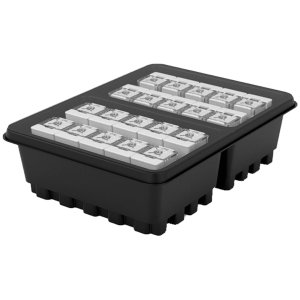
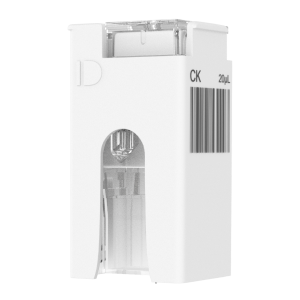
lyophilized and liquid—into small disposable cartridges, precisely dosed for each type
of analysis.
This system combines two major pillars of laboratory medicine: immunoassays, such as immunoturbidimetry used to measure proteins (for example, C-reactive protein, CRP) or immunoinhibition to determine glycated hemoglobin (HbA1c) levels; and classic enzymatic and colorimetric methods, used to measure parameters like glucose, urea, or liver enzymes.
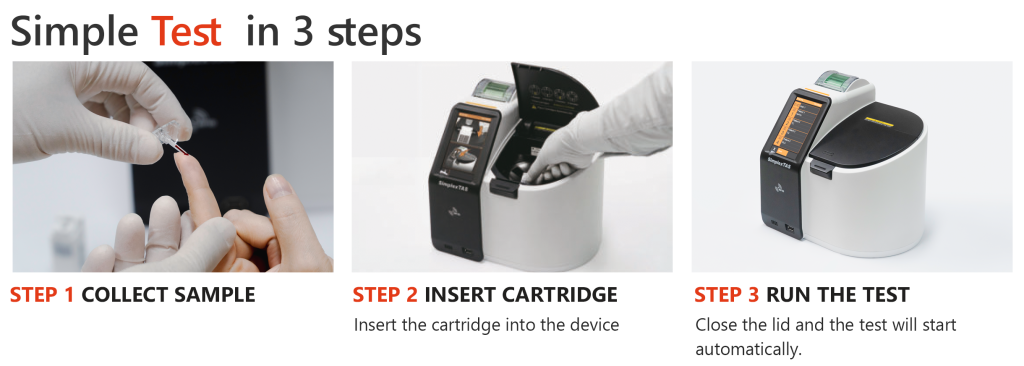
One of the most outstanding innovations of the SimplexTAS 101 is its integrated mini centrifuge, built into the analyzer module itself. After placing the drop of blood into the cartridge and inserting it into the device, the internal rotor activates at high speed to separate plasma from cellular components when the test requires it, ensuring high-precision results. Additionally, the design of the cartridges, with patented internal chambers and channels, guarantees the controlled mixing of the sample with the reagents at the exact moment.
Thanks to this combination of advanced technology and ease of use, the SimplexTAS 101 enables fast, reliable, and accessible clinical analysis, bringing laboratory medicine closer to the point of care.
Main features
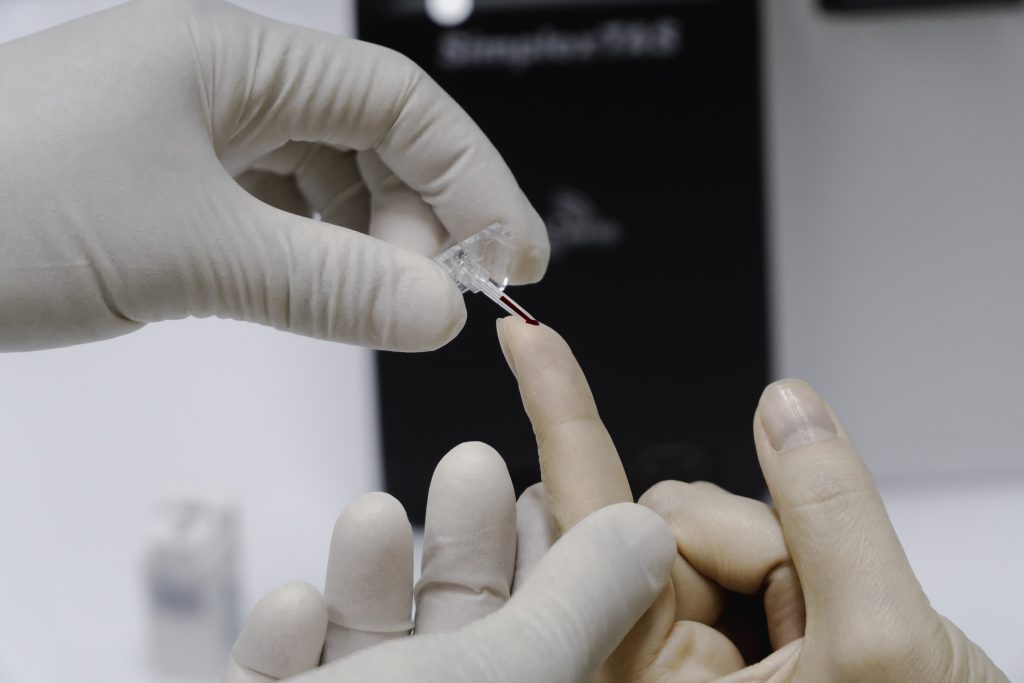
- Samples: Uses a capillary blood drop, which is 20 microliters in the Creatine Kinase (CK) analysis.
- Analysis time: Approximately 13 minutes per test. Fully automated analysis, including sample centrifugation.
- Capacity: Can process up to four samples simultaneously. The SimplexTAS 101 analyzer can analyze 4 cartridges simultaneously, allowing the analysis of 4 different parameters from one person or 1 parameter (which may vary) from 4 people.
- Interface: Large touchscreen that allows customization of various settings.
- Safety: Includes internal quality control (IQC) functions and QC lock to ensure result accuracy.
Technical Specifications
- Each test takes approximately 13 minutes.
- Up to 4 different tests in a single run.
- Results storage capacity: 2,000 patient results, 200 control results.
- Communication interface: USB 2.0.
- Input: 100~240 VAC, 50/60 Hz, 0.75 A.
- Operating temperature: 18~32°C.
- Display: 5-inch TFT LCD touch panel.
- Dimensions: 265 (W) x 217 (D) x 262 (H) mm.
- Weight: 3.4 kg.
Parameters that it can measure
- C-reactive protein (CRP or PCR)
- Glycated hemoglobin (HbA1c)
- Glucose
- Creatinine
- Total cholesterol and HDL
- Triglycerides
- Liver enzymes such as GPT/ALAT and GOT/ASAT
- Blood urea nitrogen (BUN)
- Gamma-glutamyl transferase (GGT)
- Hemoglobin
- Uric acid
- Potassium (K+)
- Creatine Kinase (CK)
- High-range Creatine Kinase
Inclusion of creatine kinase (CK) analysis.
One of the relevant tests that the device can perform is the measurement of creatine kinase (CK), a key enzyme in the evaluation of muscle damage. CK is primarily found in skeletal muscle, the heart, and the brain, and its elevated presence in the blood is often associated with muscle cell damage.
- Importance of CK in the Diagnosis and Monitoring of Exercise-Induced Muscle Damage
- During intense exercise, especially in high-demand sports or in untrained individuals, micro-muscle damage occurs that can cause transient elevations of CK in the blood.
- CK analysis with devices like the SimplexTAS™ 101 allows:
- Detect overtraining in athletes or individuals following demanding exercise programs.
- Monitor muscle recovery, adjusting training to avoid chronic injuries.
- Distinguish between physiological muscle damage (transient and expected after exercise) and pathological processes, such as myopathies or rhabdomyolysis.
- Evaluate the response to treatment in cases of diagnosed muscle diseases.
Clinical and sports applications
- Sports medicine: personalized monitoring of performance and muscle condition in athletes.
- Rehabilitation clinics: follow-up of patients in recovery processes after muscle injuries or orthopedic surgeries.
- Internal medicine and emergency units: rapid detection of rhabdomyolysis or other acute muscle damage conditions.
- Geriatrics and preventive medicine: early detection of muscle deterioration or sarcopenia, especially in at-risk populations.
With its portability, ease of use and accuracy, the SimplexTAS™ 101 becomes a valuable tool not only in the hospital setting, but also in sports settings, occupational health centers and specialized physical medicine offices.
For a visual demonstration of how the SimplexTAS™ 101 works, you can watch the video below.